Attic air sealing in Reno NV - ceilings that stop leaking warm air into the attic
Drafty rooms or a hot upstairs? We close the gaps in your attic floor so the air you pay for stays in your rooms.
- Service
- Attic air sealing
- Call
- (775) 447-1048
How can you tell your attic is leaking air?
Upstairs never feels right
The top floor or the room over the garage runs hot in summer and chilly in winter wherever you set the thermostat. Usually air is slipping through the ceiling into the attic, and until those gaps close, the power bill keeps paying for it and more insulation alone won't fix it.
Drafts at lights and the hatch
You feel a cool breath around can lights, the bath fan or the attic hatch, or you see a dusty ring around a ceiling fixture. Those are open paths into the attic, and the longer they stay open, the more air, dust and moisture move through them.
Damp or dark attic wood
Frost, damp spots or dark stains on the roof boards usually mean moist air from the house is reaching the attic. Left alone, that moisture can soak the insulation and work on the framing, which turns a sealing job into a repair.
What does attic air sealing do for a house in Reno?
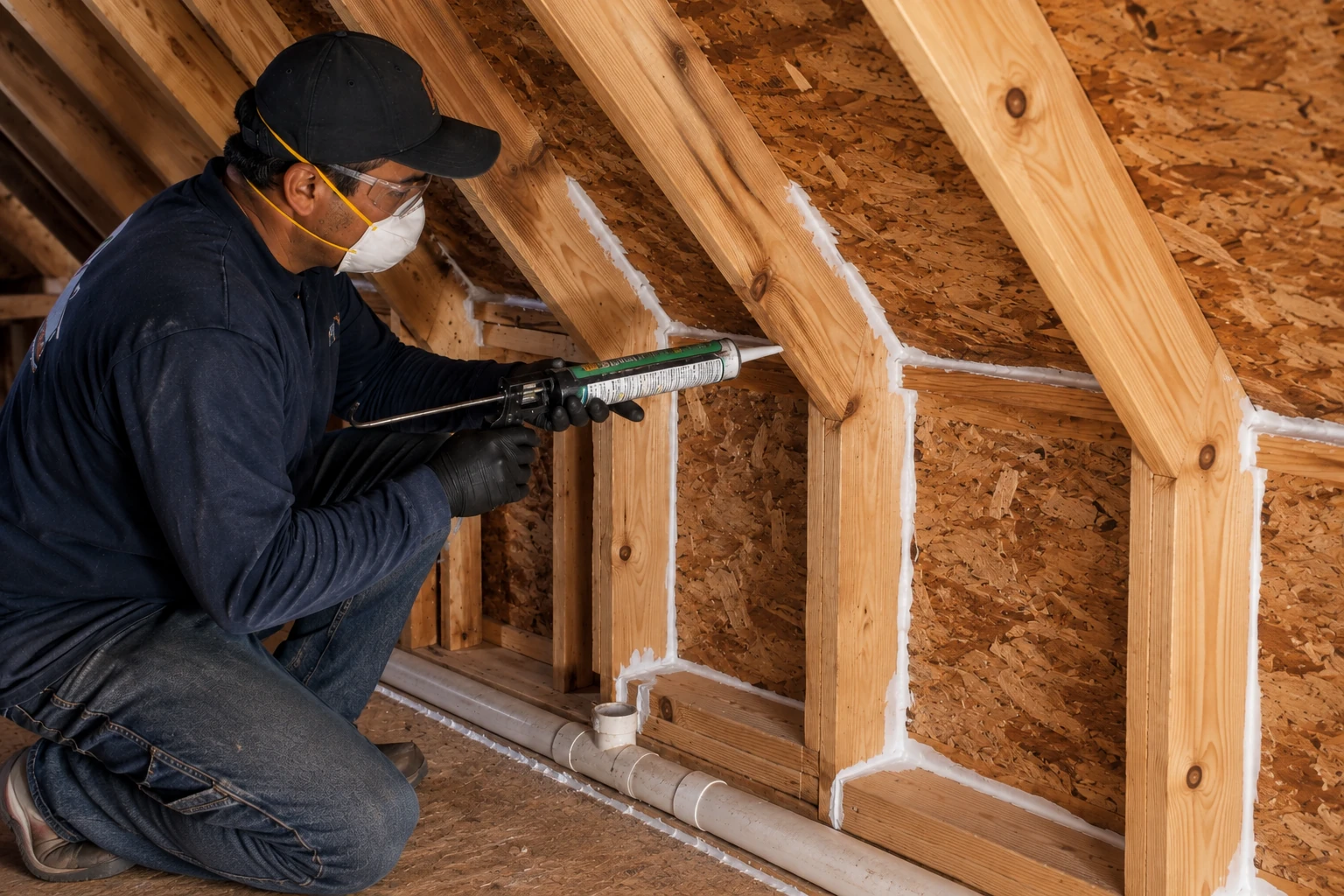
Attic air sealing in Reno closes the openings in your attic floor, around pipes, wires, lights, the hatch and the tops of walls, so warm or cool air stops escaping from your rooms into the attic. It's done with sealant, one-part spray foam or rigid blocking, and it lowers your fuel bills and helps keep moisture problems out of the attic.
Most people call us because one room won't stay comfortable or the bill keeps creeping up, and they figure the attic needs more insulation. Sometimes it does, but in a lot of houses the air is leaking straight past the insulation, and I'd rather find those gaps than pile more on top of them. The price mostly comes down to how big the attic is, how many large openings it has, how much old insulation has to be moved to reach them, and whether something like a roof leak has to be fixed first. If the old insulation is soaked or full of droppings, it comes out through insulation removal before we seal, because fresh work over a mess keeps the problem. The schedule turns on those same things plus the permit question, and the written estimate I send after looking lays out what I'd do first.
Details to note before an estimate
- Rooms that run hot, cold or drafty
- How deep the old insulation looks
- Bath fans and where they vent
- Roof leaks or stains on the ceiling
How we do attic air sealing
Dirty streaks in the insulation show me where air is moving, so that's where I start reading your attic. The big openings at the tops of walls, around dropped ceilings and behind kneewalls are where I spend my time, because that's where most of the air gets out and the little holes matter less. Anything that has to come first, like a bath fan that dumps into the attic, gets sorted before we seal. Then our crew pulls the insulation back, closes the large holes with rigid blocking and the smaller gaps around pipes, wires, lights and the hatch with sealant or foam, keeps the eave vents clear so the attic can still breathe, and lays the insulation back out evenly so the edges aren't left thin.
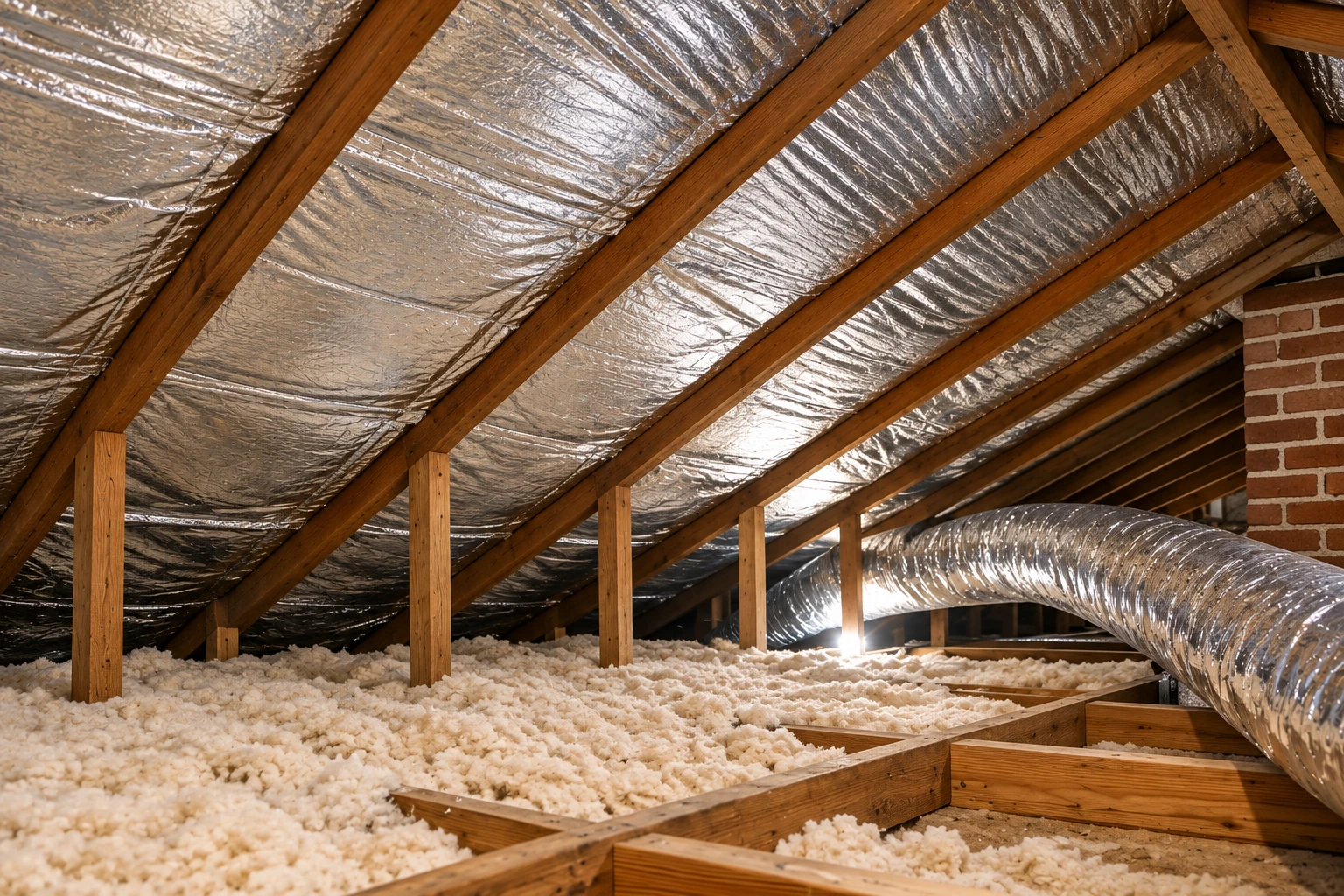
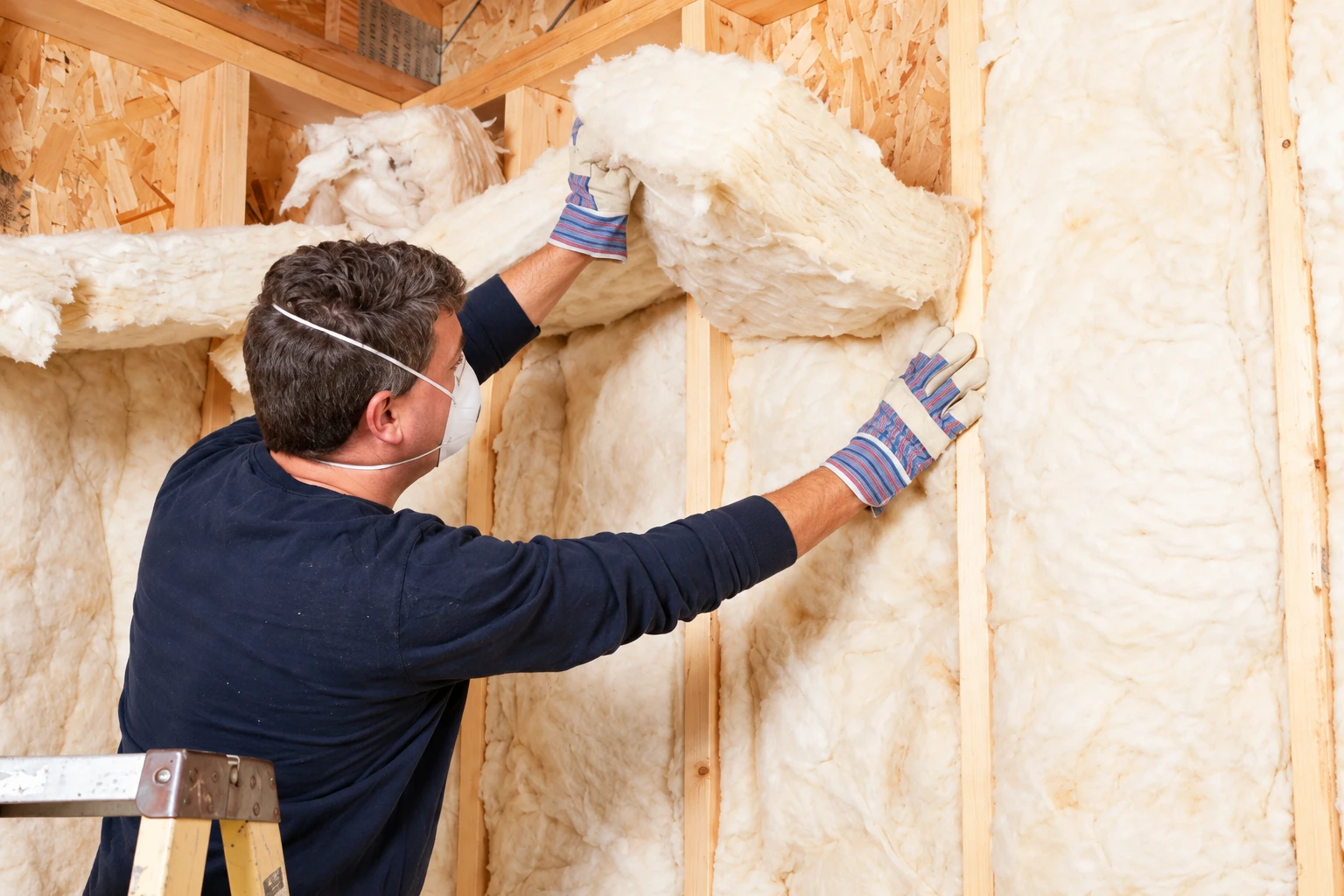
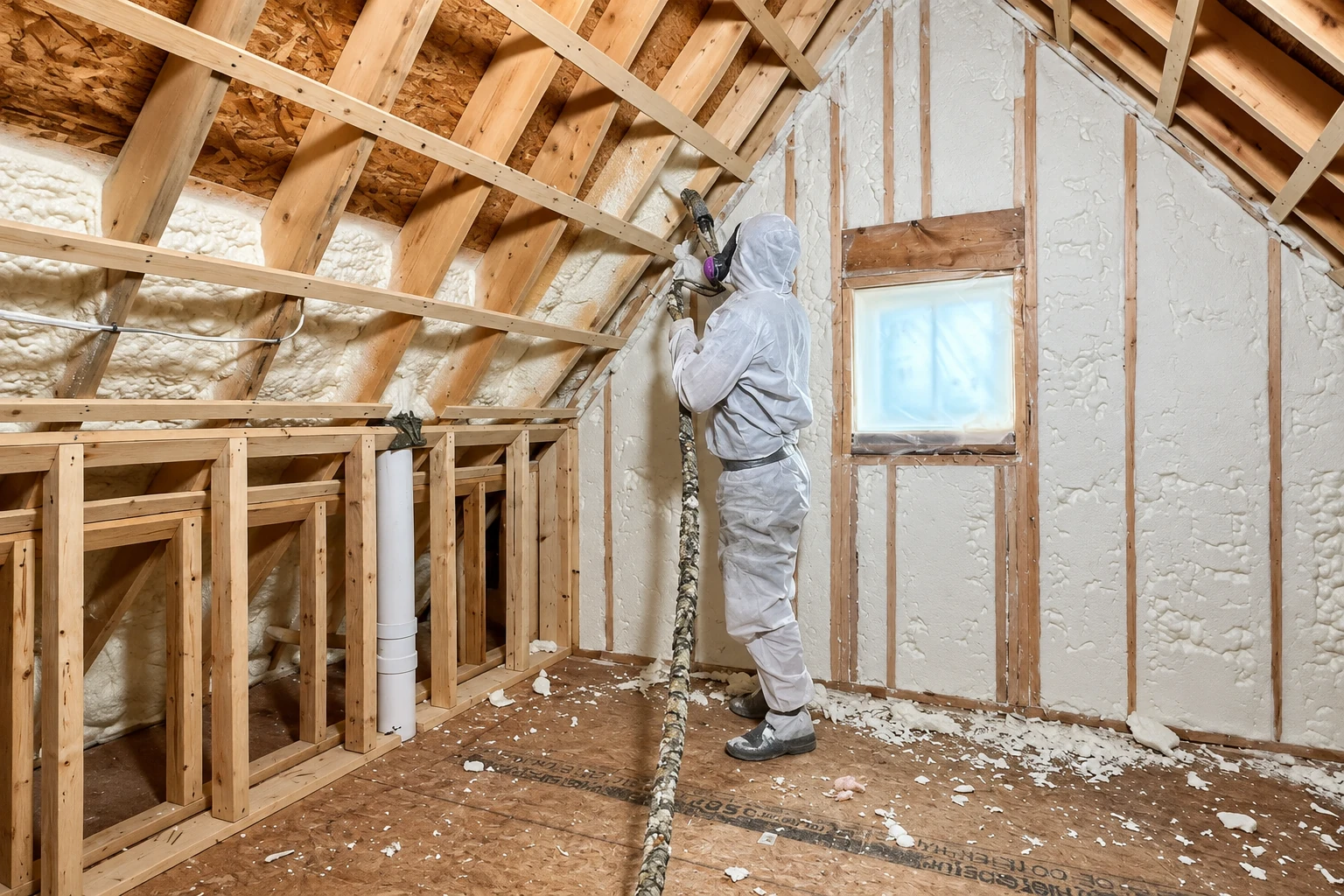
If the attic is still short on insulation once it's sealed, retrofit insulation adds more over the sealed floor. Spray foam insulation seals and insulates in one pass, but it costs more, and in most attics I'd rather seal the gaps and top up the loose fill. The exception is when your ductwork runs through the attic, because then foam earns its price.
Work that often goes with sealing
Retrofit insulation
When the sealed attic floor still has thin or patchy coverage, this brings it up to depth in a house that's already finished.
Spray foam insulation
If ducts run through your attic or you want the seal and the insulation done together, foam handles both at once.
What happens after you call about attic air sealing in Reno?
Call or send a message
Call (775) 447-1048, email contact@renoinsulationcontractor.com or use the form, and tell us which rooms bother you. We get back to you and set a time for me to come out.
I come out and look
I come out myself, go up into the attic and walk you through what I found and what I'd do first. Then I send a written estimate, so you can see the plan and the price before you decide anything.
We settle the permit question
Once you say yes, we check which city or county office covers your address. If the job needs a permit, we apply for it before anyone starts sealing.
We seal and walk through
Our crew and I do the work together. At the end I go over it with you, so you know where the air was getting out and what we closed.
What people ask about attic air sealing
How do I know if my attic is ready for air sealing?
Your attic is ready once nothing up there needs fixing first. Federal energy guidance says to hold off if the attic has knob and tube wiring that's still live, vermiculite insulation or a bath fan venting into it, and the same goes for a leaking roof, an unvented kerosene heater or a gas fireplace. I'd rather tell you the job should wait for a roof fix or a wiring check than cover up a problem, and the work we do is backed by our satisfaction guarantee.
Will sealing my attic affect my furnace or water heater?
It can, because a tighter house can let carbon monoxide build up if a gas furnace, water heater or dryer isn't venting properly. The guidance is to plan for a heating and cooling technician to check those three for proper venting after the sealing is done. I'll ask about your gas appliances when I'm out, so you can line that check up ahead of time.
How much does attic air sealing cost in Reno?
Weatherization projects in Reno usually cost about $550 to $5,300 each, which gives you a sense of what work like this runs here. Where your attic lands depends on its size and access, how many big openings it has, how much old insulation has to be moved and whether anything needs fixing first. Your own figure comes in the written estimate after I've seen the attic.
Do I need a permit for attic air sealing in Reno?
It may need one, so we settle that before any work starts. The City of Reno says most construction and building projects require a building permit, and when a required permit is skipped, the city adds compliance fees on top of the permit fees. We're fully licensed and insured, we're based in Reno and work across Reno, Sparks and the cities around them, and we apply for the permit when your job needs one. If you'd rather do the work yourself on a home you live in and aren't selling or renting, you have to apply to the Nevada State Contractors Board to use the owner exemption.
What is the best way to seal around a furnace flue in the attic?
Federal guidance calls for metal blocking and metal collars around hot flues, not ordinary foam or caulk. Where caulk touches or sits close to a flue or other heat source, it should be high-temperature rated, so it's fair to ask any crew what they use there. Soffit, ridge and gable vents and combustion air ducts stay open, since they only work with air moving through them.
Should I seal my attic before adding more insulation?
Yes, seal first. When a vented attic is getting new insulation, the guidance calls for sealing every opening in the attic floor before the new layer goes down, because gaps buried under fresh insulation keep leaking right through it.
Get a written plan for your attic's air leaks
Send the form and we'll reply within one business day to set up a free in-person estimate, with no pressure to book. I come out myself, look at the attic, walk you through what I found and send you a written estimate afterward.
Explore our services and areas
Services
- Spray foam insulation
- Attic insulation
- Blown-in insulation
- Home insulation
- Insulation removal
- Crawl space insulation
- Wall insulation
- Air sealing services
- Basement insulation
- Closed-cell foam insulation
- Open-cell foam insulation
- Commercial insulation
- Crawl space vapor barrier
- Vapor barrier installation
- Retrofit insulation
Find out where your attic is leaking
If one room has you stumped, I'd like to see it, so call (775) 447-1048 or send the form and I'll come take a look.