
Open-cell foam insulation in Reno NV - a house that stops leaking air and heat
Drafty rooms and a hot upstairs usually come down to air leaks, and open-cell foam seals them while it insulates.
- Service
- Open-cell foam insulation
- Call
- (775) 447-1048
How can you tell your house is leaking air?
Hot rooms upstairs
The bedrooms under the roof stay warm long after the sun goes down. That usually means heat is soaking through thin insulation and air is slipping in around the attic, and every summer you wait, the AC runs longer to keep up.
Drafts at outlets and trim
You can feel cool air at outlets, baseboards or around the attic hatch on a windy day. Those are gaps that insulation alone won't stop, and until they're sealed the furnace keeps heating air that leaks right back out.
Cold floor over the garage
The room over the garage is the one nobody wants in winter, with a floor you feel through your socks. The framing there is often barely insulated and full of gaps, and it tends to get worse as the old material settles.
Is open-cell spray foam the right fit for your Reno house?
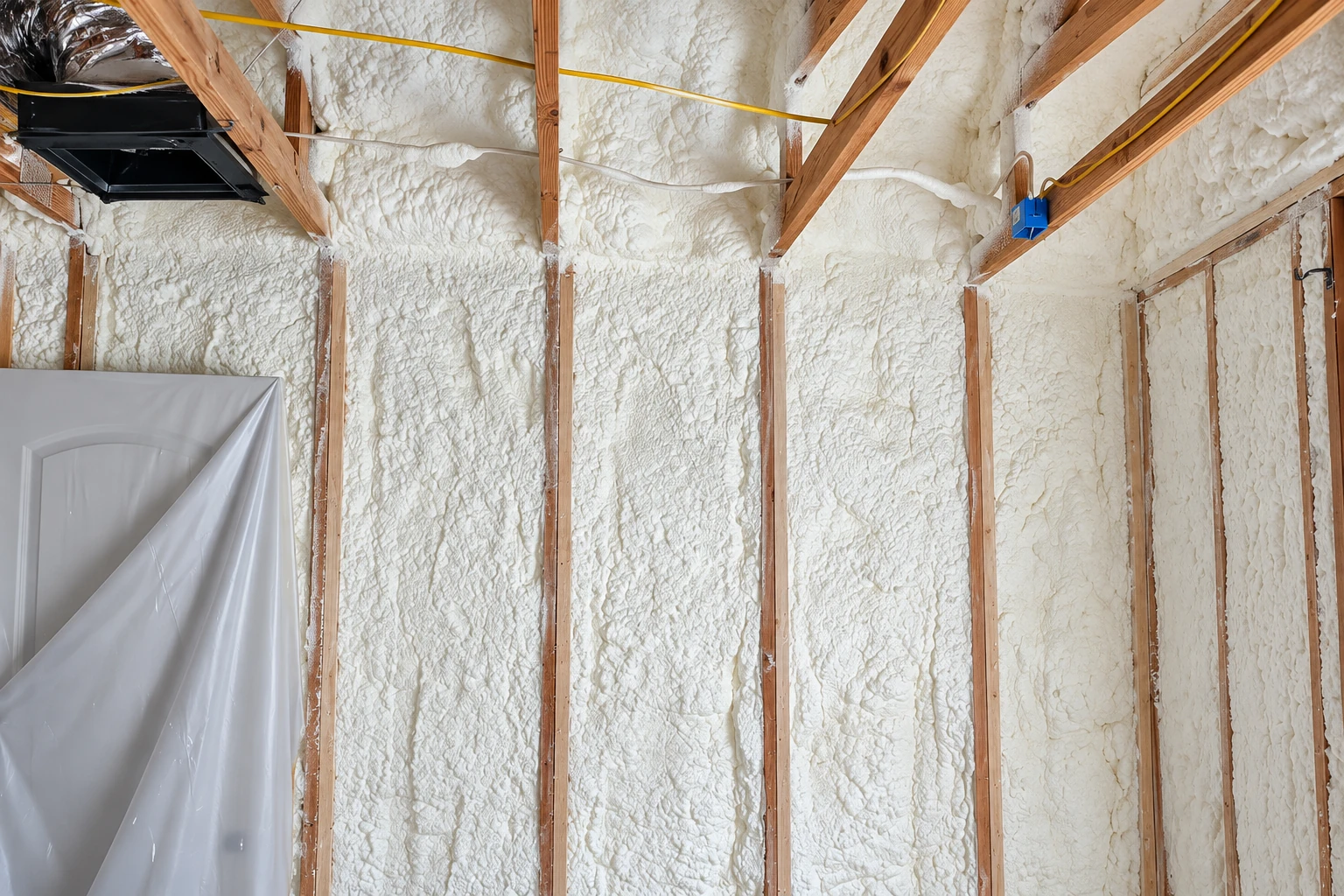
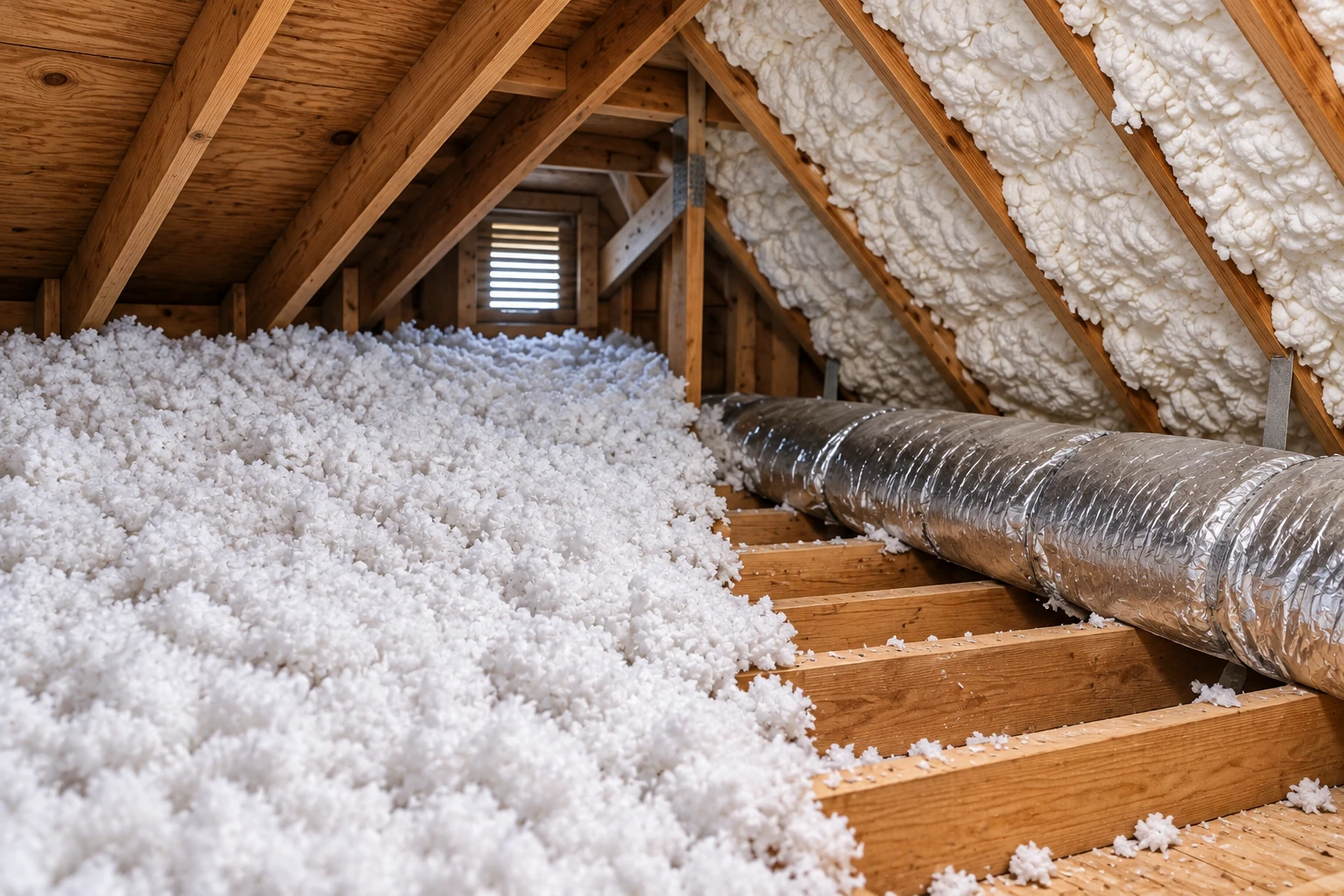
Open-cell foam insulation is sprayed in place in your Reno attic, walls or roofline, where it expands into cracks and gaps so the same layer insulates and stops air from leaking through. The spraying is usually the quick part, and the bigger planning piece is the time your family spends out of the house while it cures.
Most people who call about foam have a room that won't stay comfortable no matter what the thermostat says, and they've heard spray foam fixes everything. It's good, but it costs more than loose fill, so if your attic just needs its gaps sealed and a top-up of blown-in insulation, I'll tell you that's usually the better spend. Foam earns its price when your ducts or furnace live in the attic, or in walls and rooflines where loose fill won't stay put. The price turns on how many square feet we cover, how deep the foam goes, how easy the space is to reach and whether old insulation has to come out first, and the schedule turns on the weather and on when you can be away from home for a while. Your written estimate gives you the figure for your own house.
Details to note before an estimate
- Rough square footage of the area
- Attic, walls, roofline or crawl space
- Ducts or a furnace in the attic
- House age and inches already up there
- Anyone home with asthma or allergies
How we install open-cell foam
I start by looking at how your house will deal with moisture, because open-cell stops air well but lets moisture vapor pass through, and that decides whether it's the right foam for the spot. If the old insulation up there is wet or full of droppings, it comes out first, and if the roof leaks or the wiring needs a look, I'll tell you to fix that before any foam goes on. Then we pick install days around the weather and around your time away, cover what shouldn't get foam, and spray to the planned depth all the way out to the edges, where coverage usually comes up short. We trim back anything that's in the way and clean up when we're done.
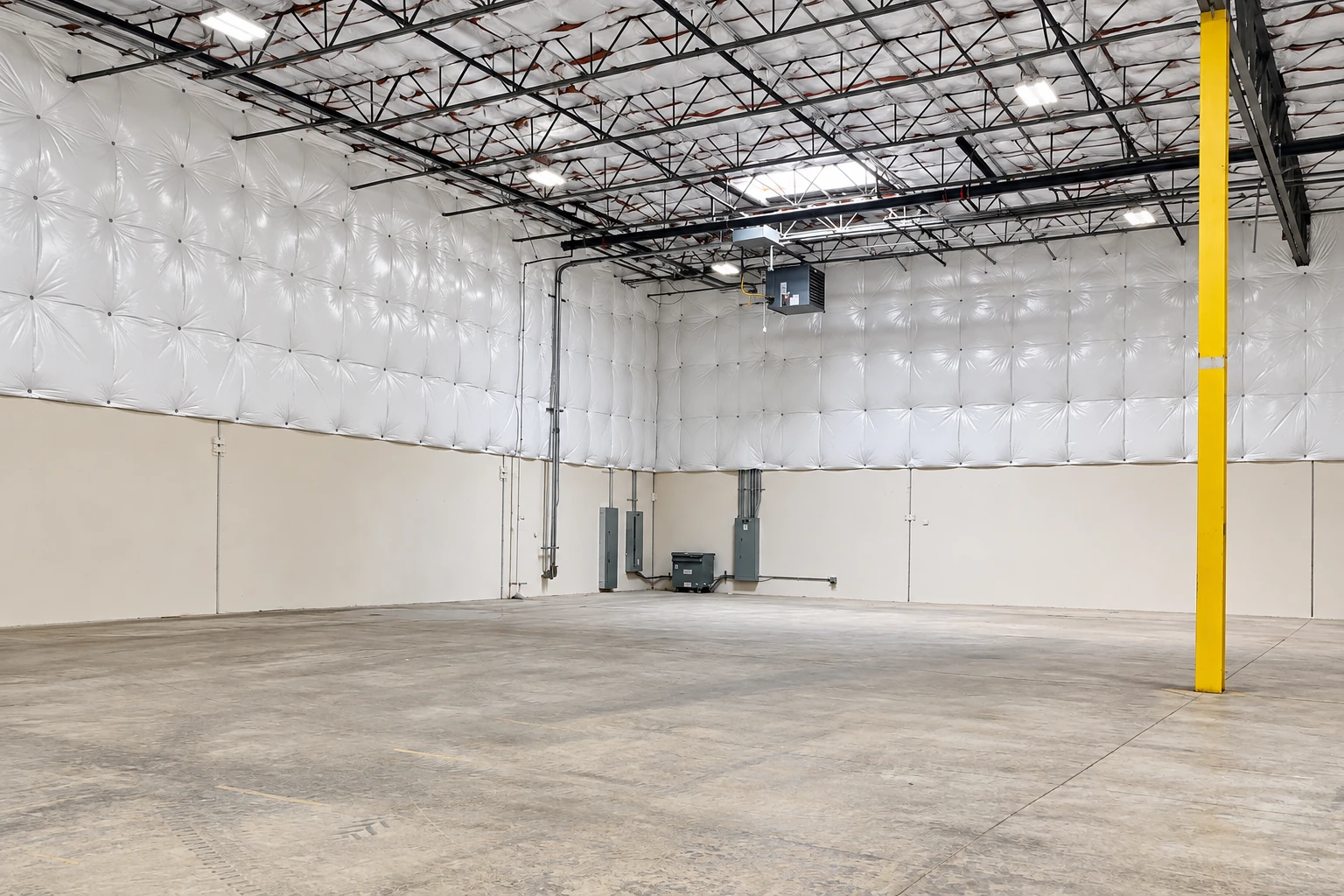
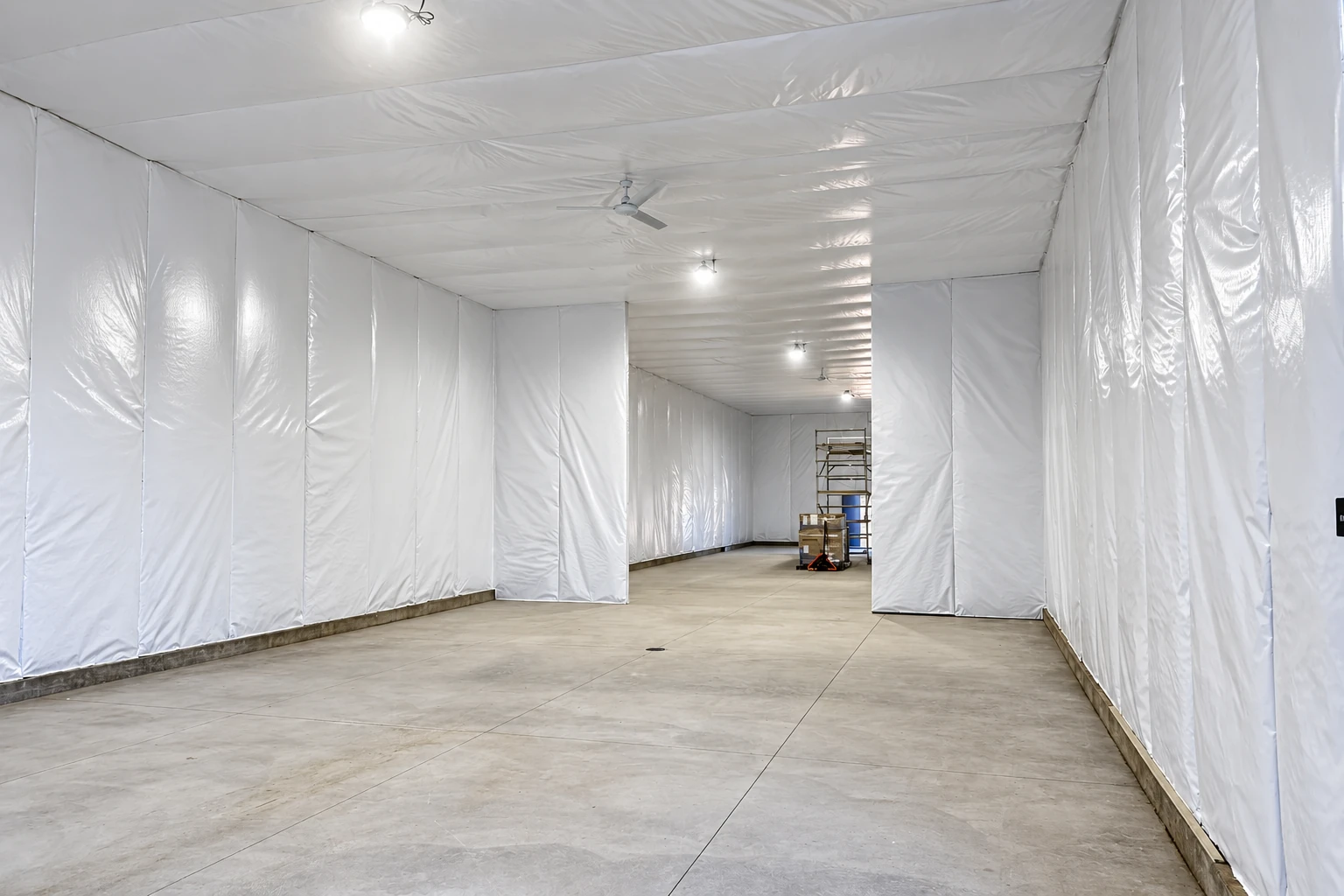
The same thinking carries into other work we do. Building managers call us for commercial insulation in offices and shops, where open-cell can fit the same way it does in a house once the moisture question is answered. When the cold or damp starts under the floor, I'll look at whether a crawl space vapor barrier belongs in the plan before we spray anything above it.
Other work that often goes with foam
Commercial insulation
For offices, shops and rental buildings where drafts and high bills land on owners and tenants alike.
Crawl space vapor barrier
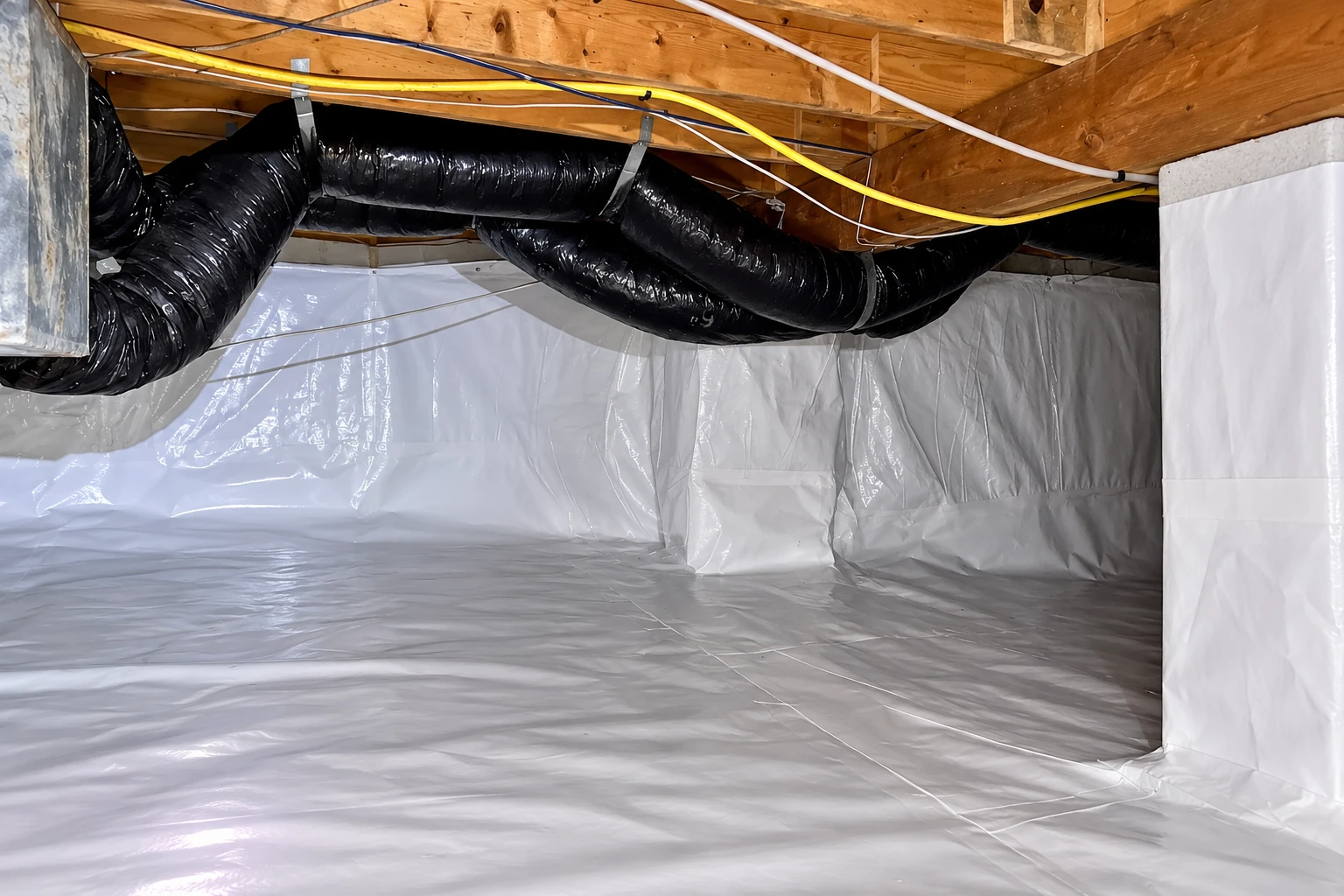
For houses where cold floors or a musty smell seem to come up from the dirt under the house.
What happens after you call about open-cell foam?
Call or send a message
Call (775) 447-1048 or use the form and tell us which rooms bother you and when. We set a time for me to come see the house.
I look and walk you through
I come out myself to check the attic, walls or crawl space, then walk you through what I found and what I'd do first, even if that isn't foam. After that you get a written estimate, so you can weigh it on your own time.
Settle the permit and dates
Once you say yes, we sort out the permit question with the right office for your address. Then we pick install days that suit the weather and the stretch you'll spend away from home.
Install and go over it
The crew and I do the install, and I work right alongside them. At the end I go over the finished work with you so you know what's up there and why.
Questions before you book open-cell foam
Is open-cell or closed-cell spray foam better for my Reno home?
Open-cell fits where there's room for the depth, closed-cell fits where space is tight, and moisture decides the close calls. Open-cell slows heat at about R-3.6 per inch on the R-value scale insulation is rated by, while typical closed-cell foam reaches about R-6 per inch and sets rigid, so it gets to the same level in less depth. Open-cell blocks air but lets moisture vapor through, while closed-cell at typical thickness counts as a vapor retarder, so how your house handles moisture is the question to settle at the estimate.
How much does open-cell spray foam insulation cost?
Installed open-cell spray foam across the US usually runs about $1.50 to $3.50 per square foot, and that's a national range, not our price. Where your job lands in it comes down to what I see on site, and your written estimate gives your own figure. Every job is backed by our satisfaction guarantee.
How long do I have to stay out of my house after open-cell spray foam?
Federal safety guidance says to plan on at least 24 hours away, and it can be longer because the return time varies by product, by the type of house and by whether children or older people live there. EPA guidance adds that you come back only after the foam has cured and the house has been aired out and thoroughly cleaned. Book somewhere to stay before install day, and ask us for the re-entry time, when it's safe to come home, for the exact product we're using.
Do I need a permit for spray foam insulation in Reno?
Plan as if you might, because the City of Reno says most construction and building projects require a building permit, and applications are filed online. We're based in Reno and work across Reno, Sparks and the cities around them, so before work starts we check which city or county office covers your address, and when the job needs a permit we apply for it. Once an application is accepted you can check its status and pay fees online, and permit questions go to the city's Development Services Department. We're fully licensed and insured.
What is the best way to plan spray foam if someone at home has asthma or allergies?
Tell me at the estimate, because safety guidance says people with asthma, respiratory allergies, skin conditions or a past reaction to isocyanates, one of the chemicals spray foam is made from, should review the product information carefully and, if needed, consider other insulation. If foam doesn't suit your household, we'll plan the job around a different insulation instead.
How do I know if open-cell foam is thick enough to stop air leaks?
Ask what finished depth is planned, because Energy Department guidance says open-cell foam needs at least 5.5 inches to count as an air barrier, the layer that stops air moving through. Thin spots usually show up at the edges and around framing, so ask how the depth will be checked there too.
Get a written estimate for open-cell foam
We respond within 1 business day to set up your free in-person estimate, and there's no pressure to book. I come out myself, look at the space, walk you through what I'd do first and then send your written estimate.
Explore our services and areas
Services
- Spray foam insulation
- Attic insulation
- Blown-in insulation
- Home insulation
- Insulation removal
- Crawl space insulation
- Wall insulation
- Air sealing services
- Basement insulation
- Closed-cell foam insulation
- Commercial insulation
- Crawl space vapor barrier
- Vapor barrier installation
- Attic air sealing
- Retrofit insulation
Find out if open-cell foam fits your house
One look in the attic usually tells me whether foam is worth it for your house or a simpler fix will do the job.