Basement insulation in Reno NV - a warmer basement with the right material on concrete
A cold, drafty basement? We insulate the walls with a material that handles damp concrete, so downstairs feels like the rest of the house.
- Service
- Basement insulation
- Call
- (775) 447-1048
How can you tell your basement needs insulation?
Cold floors over the basement
If the floor in the room above the basement feels cold through your socks all winter, heat is usually leaking out through bare foundation walls. Every winter you wait, the furnace keeps paying to warm the dirt outside.
A basement that never warms
You turn the heat up and the basement still feels like a cellar, so nobody uses it. Bare concrete keeps pulling heat out of the air, and the longer it stays bare, the more of your power bill goes into a room you avoid.
Damp spots or cracks
Dark patches, a musty smell or a white crust on the concrete mean water is finding its way through, and cracks can point to a foundation issue. They don't rule out insulation, but they change what can go against the wall, and waiting lets a small leak or crack grow.
Is it worth insulating basement walls in Reno?
Basement insulation in Reno means insulating the inside of the foundation walls, so the basement becomes part of the heated house instead of a cold box underneath it. Done with a material that suits damp concrete, it usually warms the floors above and turns the basement into space you'll actually use.
Most people call because a room over the basement stays cold or the power bill climbs every winter, and they're not sure the basement is to blame. Sometimes it is and sometimes the leak is somewhere else, and I'd rather find out than sell you insulation you don't need. The price mostly moves with how many square feet of wall you have, which material your concrete can handle and how much has to come off the walls first, while the schedule turns on whether the foundation needs a look before we start and whether the job needs a permit. The written estimate after my visit gives you the figure for your basement. We're based in Reno and do the same work in Sparks and the cities around them, and if your house sits over a crawl space instead, that's a different job, covered on our crawl space insulation page.
Details to note before an estimate
- Rough wall size in square feet
- Damp spots, stains or cracks
- Paneling or old insulation already up
- How you use or plan to use it
How our basement insulation work goes
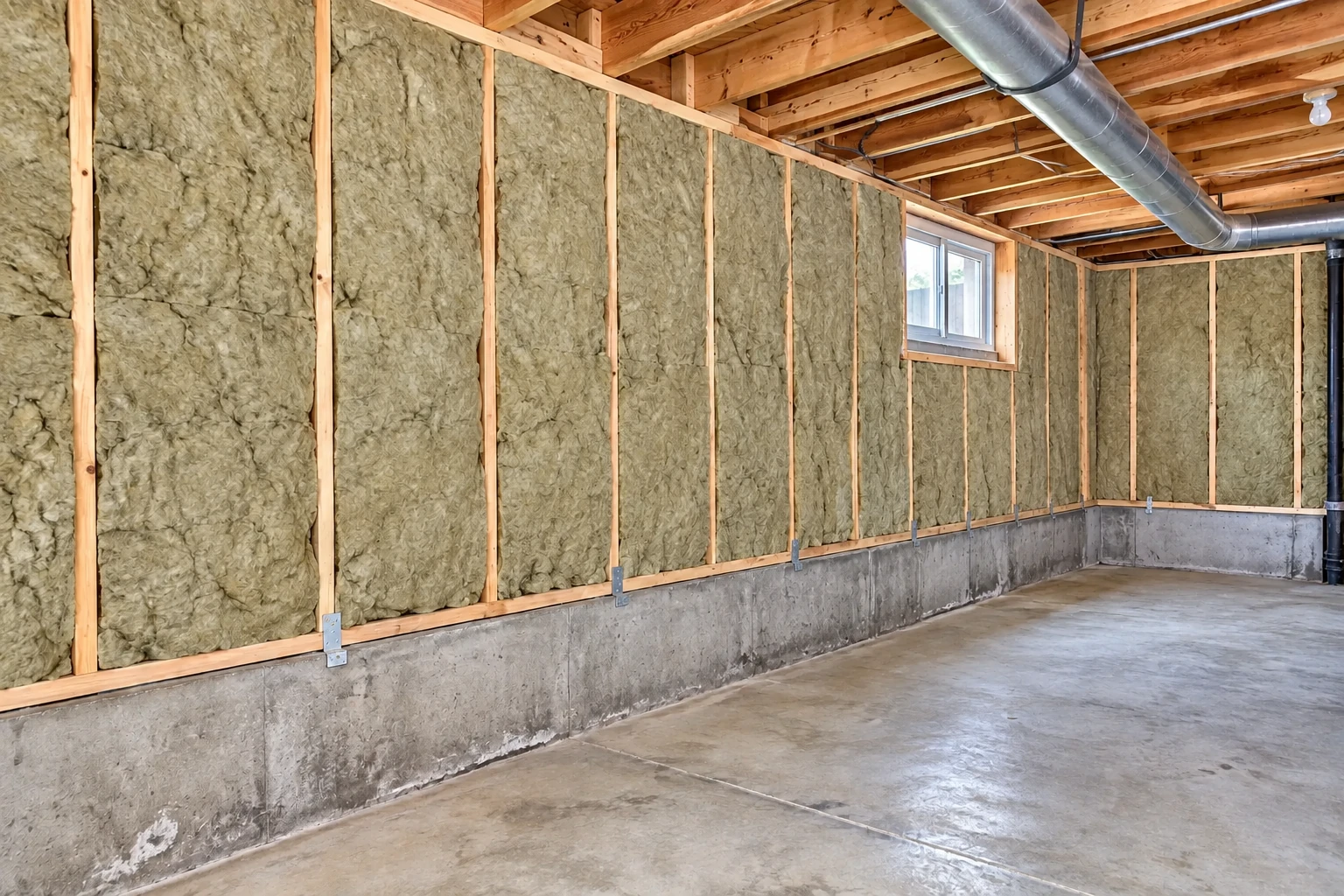
Basement walls sit against concrete that can stay damp, so the first thing I do is ask where you've seen wet spots or cracks, then go look at the wall myself. If the foundation looks like it has a problem, we have it looked at before anything gets covered up, because insulation over a bad wall just hides it. Radon can also come in through the foundation, and Nevada's health division recommends testing every home, so if yours hasn't been tested, do it before new walls close the concrete in. Once the wall checks out, we clear what's on it, seal the gaps around pipes and along the top of the wall so the insulation isn't fighting a draft, put in a material that handles damp, take care of the rim joist, the wood band that sits on top of the foundation, and clean up before we go.
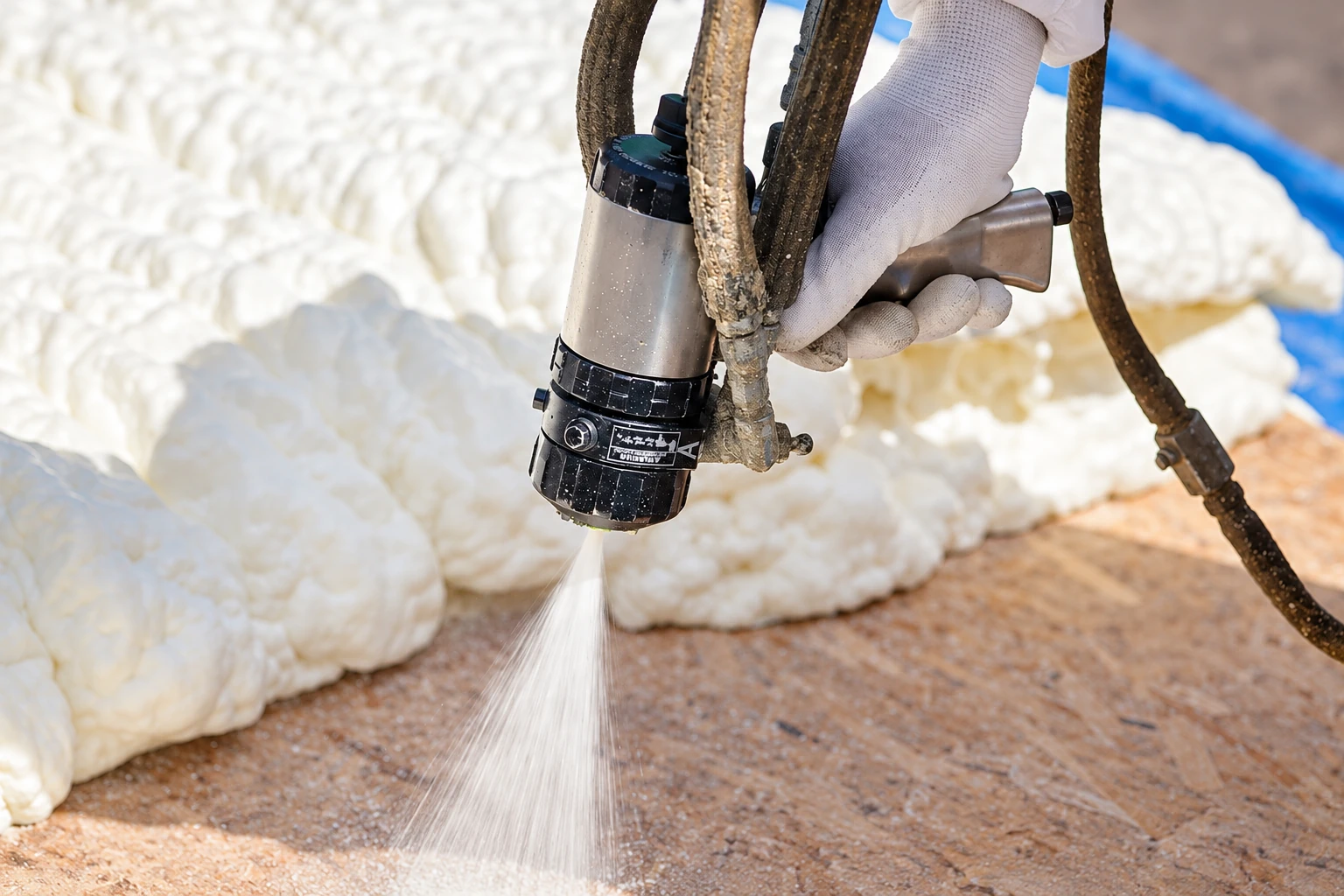
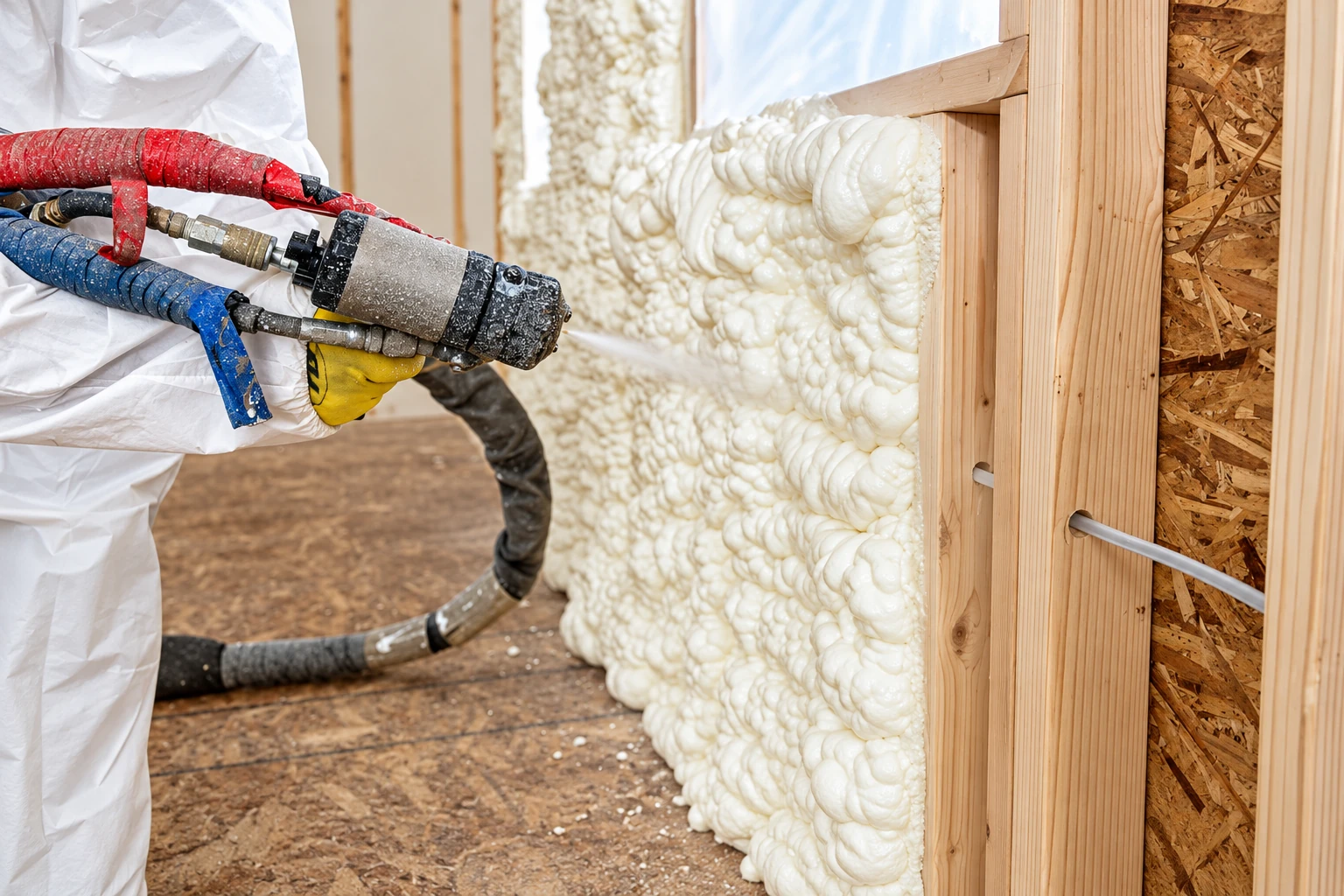
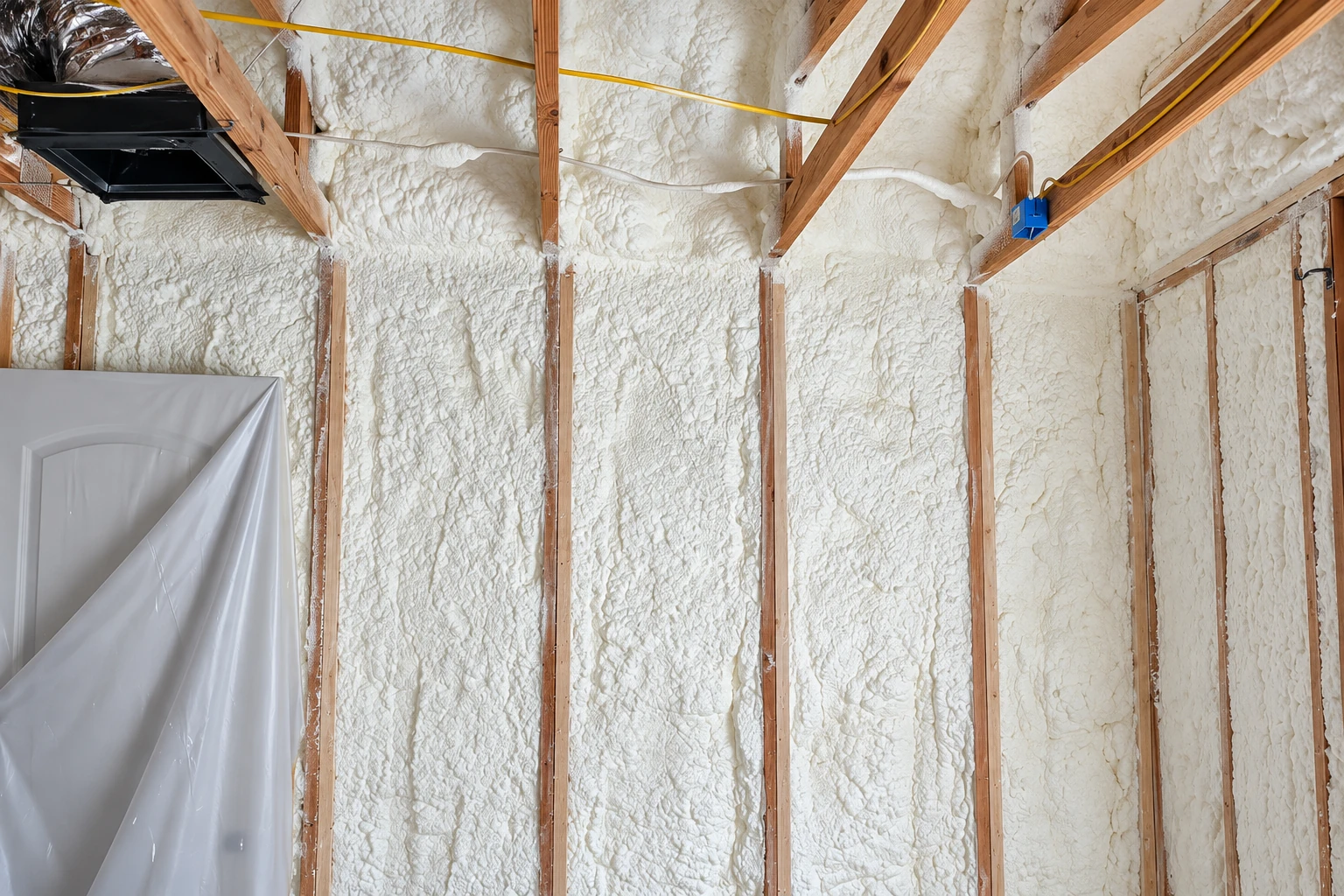
On a wall with a history of damp, that material is usually closed-cell foam insulation, the dense foam that blocks moisture and seals air as it goes on. Foam costs more than batts or board, and on a basement wall I think it earns that because it does two jobs at once, but if your concrete has stayed dry and you'd rather spend less, I'll tell you what else would work. Open-cell foam insulation is the lighter, softer foam, and it belongs on framed walls and ceilings away from the concrete, like a bonus room or the walls upstairs.
Foam options that go with basement work
Closed-cell foam insulation
When a basement has been wet before, this dense foam keeps water out of the insulation and stops drafts in the same pass.
Open-cell foam insulation
For framed walls and ceilings well away from the concrete, this lighter foam fills odd-shaped cavities and quiets noise between floors for less money.
What happens when you call about basement insulation in Reno?
Call or send the form
Tell us roughly how big the basement is and whether you've seen damp or cracks. We'll set a time for me to come out.
I look at your walls
I come out myself, check the concrete, the top of the wall and the rim joist, and walk you through what I found and what I'd do first. Then I send a written estimate that spells out the material, the areas covered and the price, so you can see where your money goes.
We settle the permit question
Once you say yes, we check with the right office before any work starts. If the foundation needs a look, that happens now too, while the wall is still open.
We install and walk through it
The crew and I do the install, working side by side. At the end we go over the finished walls with you, so you know what's behind them.
What people ask about basement insulation
What is the best way to insulate a basement, the walls or the ceiling?
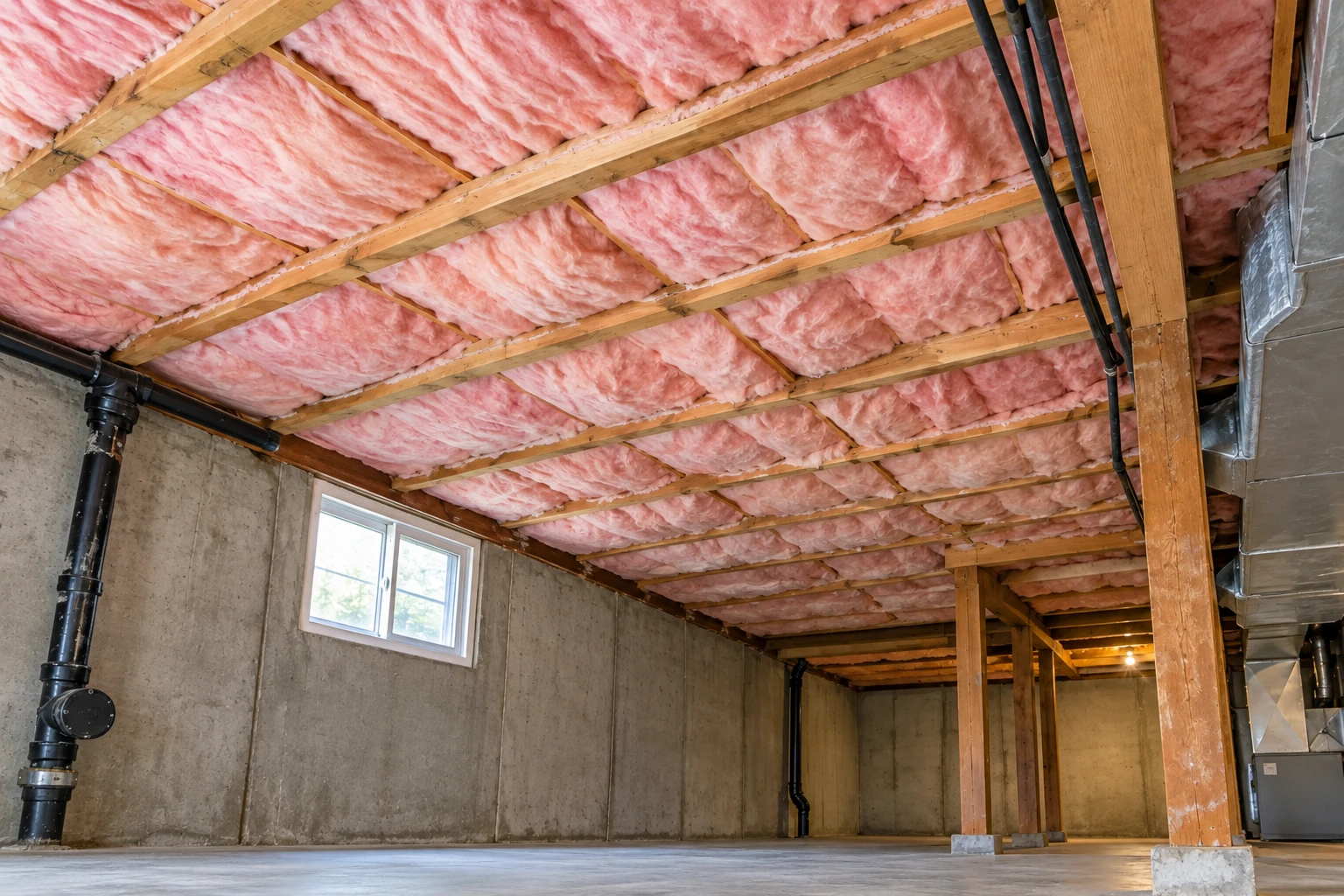
For most homes, the walls. National guidance points out that even a basement you don't heat is more connected to the rooms above it than to the outside, so insulating the walls keeps it inside the warm part of the house. Insulating the ceiling instead leaves the basement cold, along with any pipes or the water heater down there.
What is the best insulation to put directly against a concrete basement wall?
Something that holds up when it gets damp. National guidance notes that cellulose, fiberglass and open-cell foam lose their effectiveness once they're wet, and cellulose generally isn't recommended right against concrete, since basement walls need more moisture resistance than walls above ground. Ask any installer which material will actually touch your concrete, and I'll show you mine on the estimate.
How much does basement insulation cost in Reno?
Across the US, insulating a basement usually costs about $4.50 to $6.40 per square foot, and that's the typical market range, not our price. Where your job lands depends on the material, whether the walls are damp or cracked and how much prep the walls need. Your written estimate after the visit gives the figure for your basement, and the work is backed by our satisfaction guarantee.
Do I need a permit to insulate my basement in Reno?
It may, because the City of Reno says most construction and building projects need a building permit, and applications go in online at onenv.us. Work done without a permit it needed picks up compliance fees on top of the regular permit fees, so it's worth settling first. We're fully licensed and insured, and we check which office covers your address and apply for the permit when the job needs one.
What causes mold behind basement wall insulation?
Usually warm, damp indoor air reaching a cold surface and condensing there. The inside of the rim joist is a cold surface in winter, insulating the walls below makes it colder, and fiberglass batts there let indoor air reach it, so condensation and mold can follow. National best practice for walls insulated from the inside with fiberglass, blown cellulose or mineral wool also keeps plastic sheeting and foil-faced sheathing off the room side of that insulation.
Can I insulate my own basement in Nevada?
Yes, if it's the home you live in. Nevada's contractor rules exempt an owner improving a home for their own occupancy, not one being fixed up for sale or lease, and you apply to the Nevada State Contractors Board for that exemption. If you'd rather hand it off, I'm happy to come take a look.
Get a free, on-site look at your basement walls
We reply to every call and message within one business day, and the estimate is free with no pressure to book. After you send this, we'll set a time, I'll come out myself to look at the walls and the concrete, and you'll get a written estimate afterward.
Explore our services and areas
Services
- Spray foam insulation
- Attic insulation
- Blown-in insulation
- Home insulation
- Insulation removal
- Crawl space insulation
- Wall insulation
- Air sealing services
- Closed-cell foam insulation
- Open-cell foam insulation
- Commercial insulation
- Crawl space vapor barrier
- Vapor barrier installation
- Attic air sealing
- Retrofit insulation
Book a look at your basement walls
Call (775) 447-1048 or use the form with your rough wall size in square feet and any damp spots or cracks you've seen, so I know what to look at first.