
Wall insulation in Reno NV - warmer rooms without tearing out your drywall
Outside walls that feel cold to the touch and a room that never warms up? We fill the hollow walls and patch the holes.
- Service
- Wall insulation
- Call
- (775) 447-1048
How can you tell your walls are short on insulation?
Outside walls feel cold
Lay your hand flat on an outside wall on a cold night, then on an inside wall. If the outside one feels a lot colder, the space behind the drywall is often empty or the old fill has slumped to the bottom, and every month it stays that way shows up on the power bill.
One room always runs cold
The room over the garage or a corner bedroom stays chilly while the rest of the house is fine. Often it's the walls on that room, sometimes it's air sneaking in at the floor or ceiling, and I like to work out which before we add anything, because guessing wrong means paying twice.
Drafts at outlets and switches
On a windy day you can feel air coming out around outlet covers or switch plates on an outside wall. That usually means air is moving through a hollow, leaky wall, and until it's sealed and filled you're heating that air over and over.
Can you insulate finished walls without tearing them out?
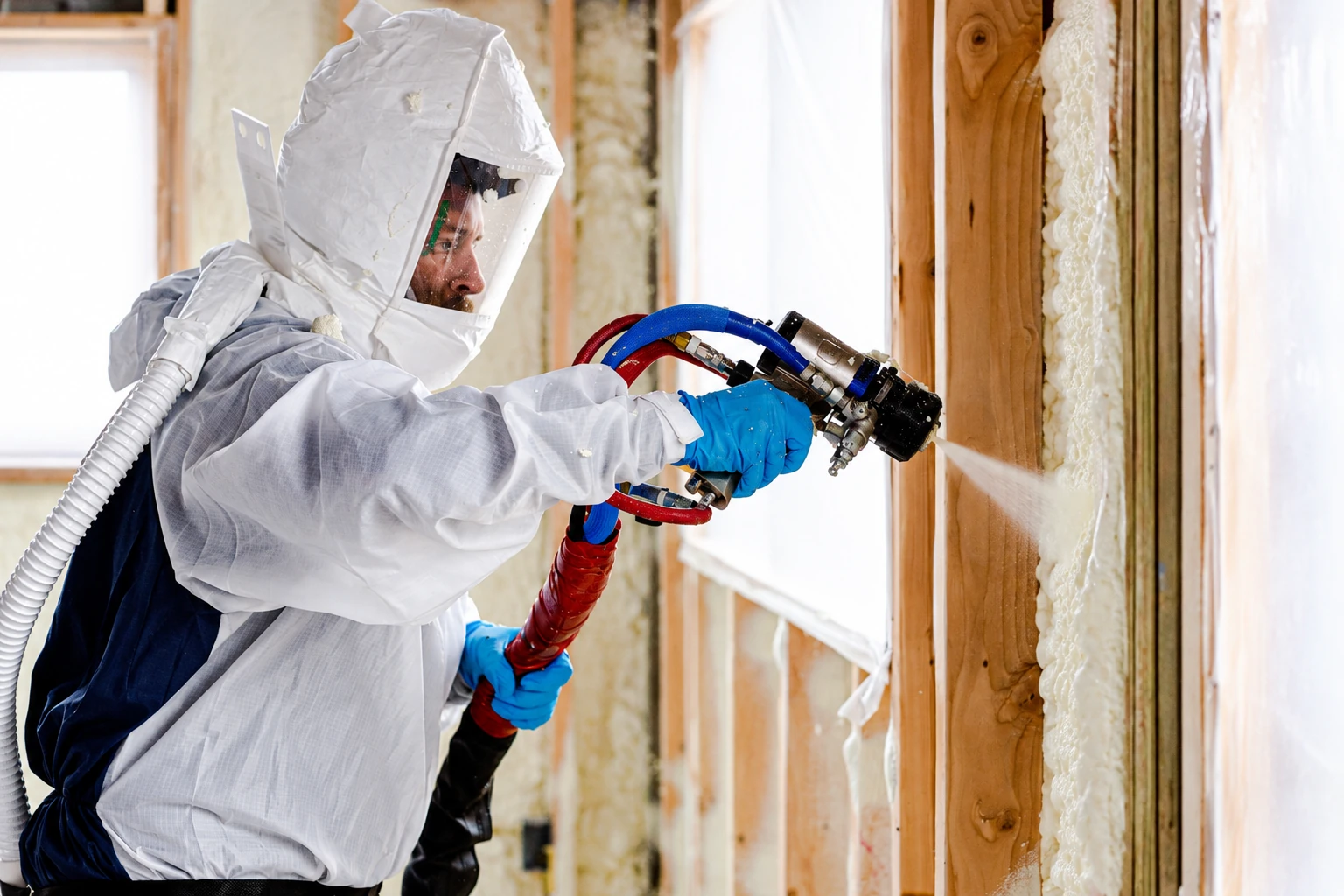
Yes. Wall insulation in Reno fills the hollow spaces inside your outside walls, the stud bays between the framing, with cellulose or fiberglass so heat has a much harder time getting through. On finished walls we drill a row of holes, blow the insulation in from inside or outside the house, then plug and patch the holes, so the drywall stays where it is.
Usually you're here because one room is drafty or an outside wall feels cold, and you want to know if the walls are really the problem. The price mostly turns on how many square feet of wall we're filling, whether we drill from inside or outside, how much siding or trim has to come off and go back, and whether any spot calls for foam instead of fiber. The schedule depends on how easy the walls are to reach, how much patching follows and the permit question, and if the cold seems to come from above, attic insulation may matter more than the walls. Your own figure comes in the written estimate after I've looked.
Details to note before an estimate
- Which rooms or walls feel cold
- Rough square footage of those walls
- Finished drywall, plaster or open studs
- Siding type and its condition
How we handle wall insulation
Every job starts with me checking the walls, because packing fill in puts pressure on them, and I want to know they're sealed and strong enough to hold it before anyone drills. Then we decide where the holes go. From inside, they go through the drywall and get plugged and patched, and from outside we may pull small pieces of siding, where the patches can show unless siding or trim covers them, so I walk you through how each choice will look once it's done. The crew covers your shrubs, keeps the dust down indoors, blows cellulose or fiberglass into each bay until it's full, then plugs the holes and puts the siding back.
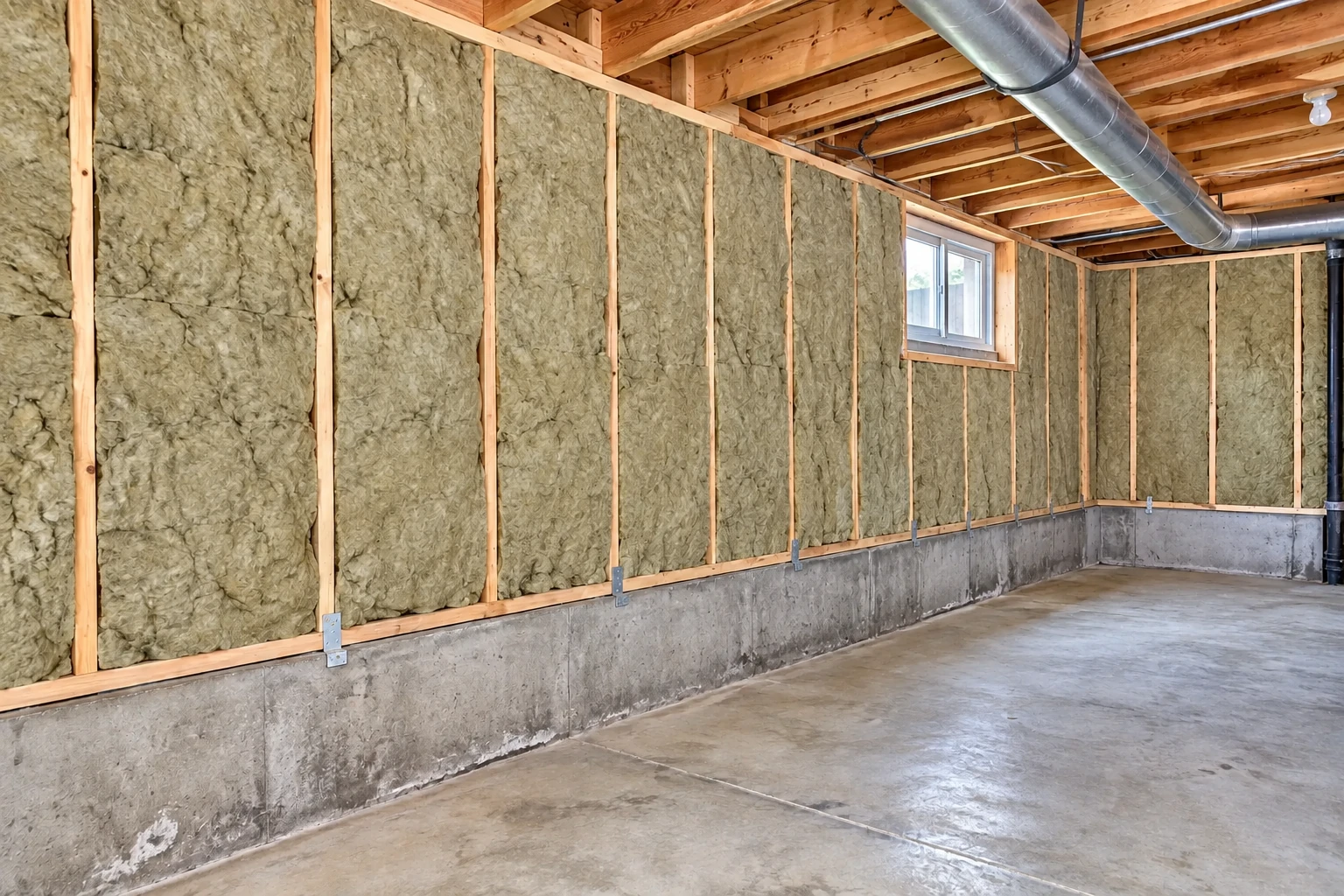
Insulation slows heat but doesn't stop moving air, so if I find gaps around outlets, pipes or where the wall meets the attic, our air sealing services close them before the fill goes in. When the cold room sits over an unfinished basement, the walls down there are open framing with nothing to drill or patch, and basement insulation is often the simpler fix.
Other work that often goes with it
Air sealing services
If you feel air at outlets, baseboards or window trim, closing those gaps keeps your new wall insulation from fighting a draft.
Basement insulation
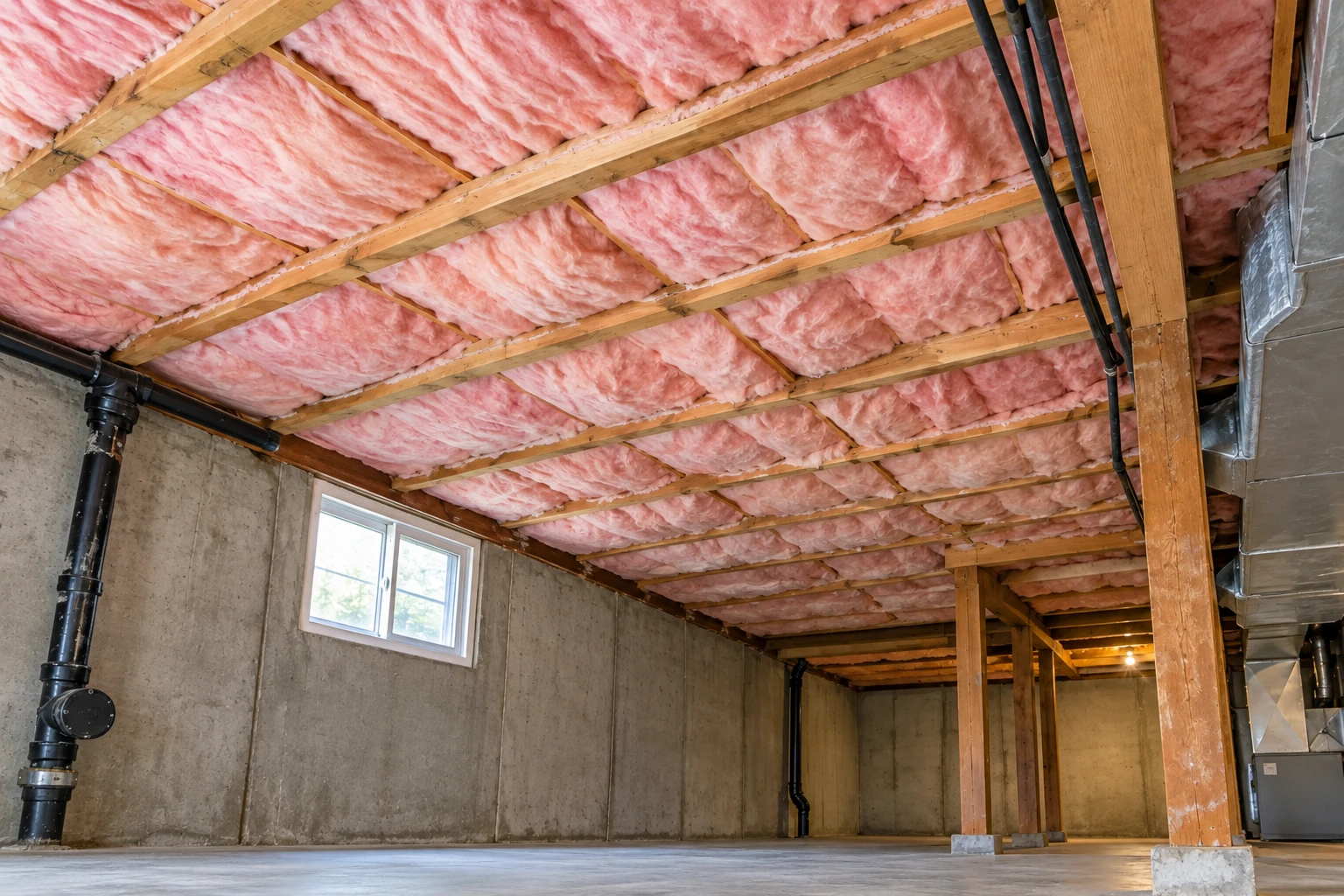
A cold basement often shows up as cold floors upstairs, so insulating down there can help the rooms above it.
What happens after you call about your walls
Call or send a message
Call (775) 447-1048 or use the form and tell us which rooms bother you. We'll set a time for me to come out.
I come look myself
I check the walls and the attic or crawl space around them, then walk you through what I found and what I'd do first. You get a written estimate with the work laid out, so you see what you're paying for before you decide.
Permit, install and walkthrough
Once you say yes, we settle the permit question with the right office, then the crew and I drill, fill and patch the walls. At the end I go over the work with you so the house makes sense to you.
What people ask about wall insulation
How much does wall insulation cost in Reno?
Across the US, blown-in wall insulation usually costs about $3.80 to $4.60 per square foot installed. That's the going market rate for the work, not our price. Your number depends on your walls, which is why the written estimate comes after I've looked at them.
Is spray foam worth the extra cost for walls?
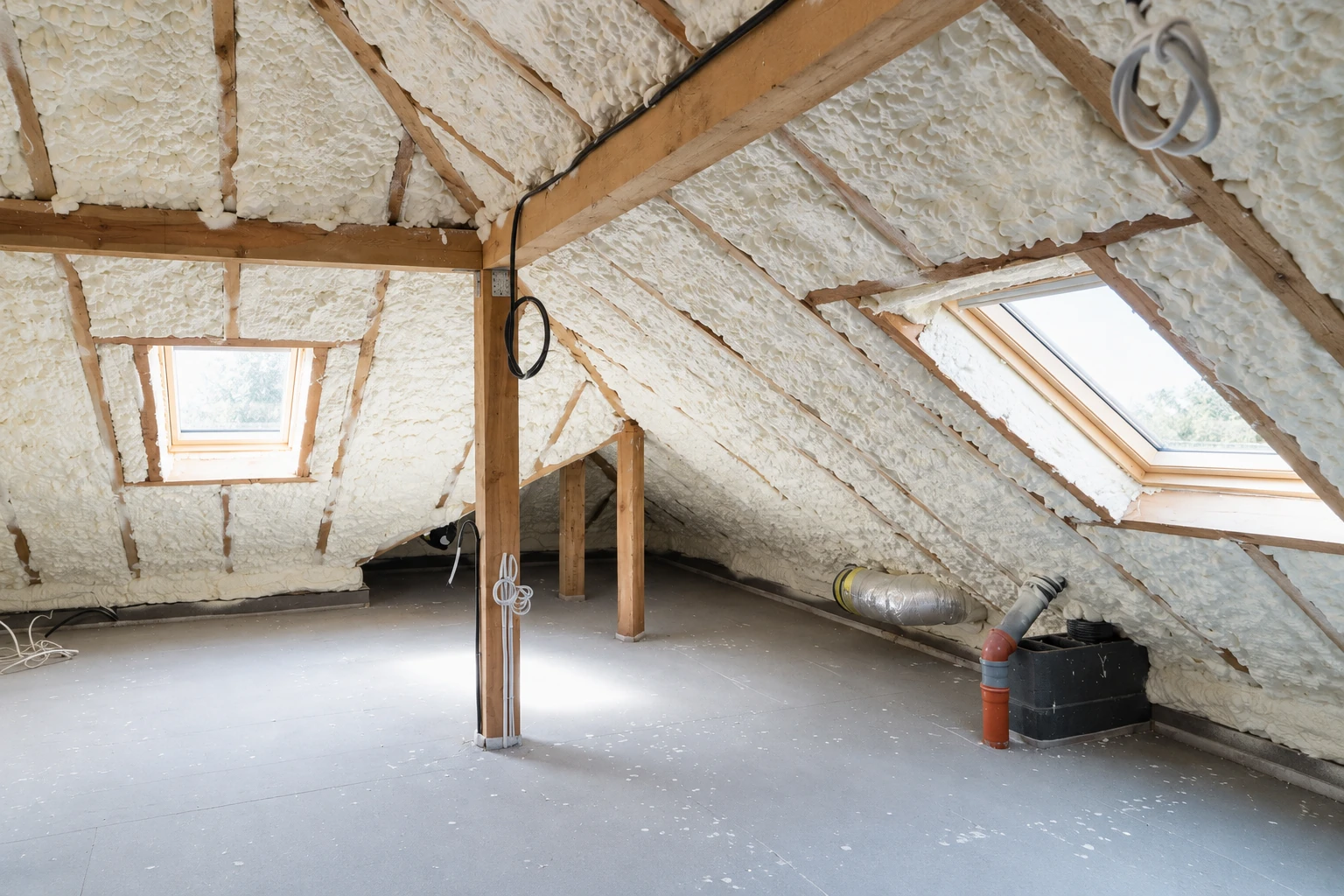
For most walls, no. Fiber blown into the stud bays is the least expensive way to insulate a wall, while spray foam costs much more because it seals air and insulates in one step. Foam earns its price where you need a near-perfect air barrier, like the wall between the garage and the house, but it still lets heat move through the studs and leaves outside moisture as a risk, same as fiber, so for most walls I'd seal the gaps and blow in fiber.
Do I need a permit to insulate my walls in Reno?
Possibly, so we check before we start. The City of Reno issues building permits, which most construction projects in the city need, takes applications online and answers permit questions through its Development Services Department. Work that needed a permit and went without one faces compliance fees on top of the regular permit fees, and if you're in Sparks or another city nearby, a different office may cover your address.
How long does blown-in wall insulation last?
Properly installed cellulose can work well for decades. What shortens its life is water, because fiber that stays damp loses some of its R-value, how well it slows heat, and can lead to mold and rotted framing. Walls that shed rain, dry to the outside and have a continuous air barrier keep the fill dry, so if I find a leak or a soft spot I'll tell you to fix that first.
How do I choose a wall insulation contractor in Reno?
Start with the license, because the state contractors board gives every Nevada contractor license a dollar limit on the largest contract its holder can take on for one client on one site. We're fully licensed and insured, and our work is backed by our satisfaction guarantee. Past that, ask anyone you're considering what they'd fix first and why.
Why are some wall cavities left empty when you insulate?
Cavities that carry heating or cooling air stay empty, because filling them would block the air your system moves through the house. It's a fair question to ask any installer, and I'll point those spots out when I go over the walls with you.
Get a written estimate for your walls
Send the form and we'll reply within one business day to set a time. The estimate is free and done in person, I come out to look at the walls myself and talk you through what I find, and there's no pressure to book.
Explore our services and areas
Services
- Spray foam insulation
- Attic insulation
- Blown-in insulation
- Home insulation
- Insulation removal
- Crawl space insulation
- Air sealing services
- Basement insulation
- Closed-cell foam insulation
- Open-cell foam insulation
- Commercial insulation
- Crawl space vapor barrier
- Vapor barrier installation
- Attic air sealing
- Retrofit insulation
Book a look at your cold walls
Having your wall type, whether the walls are finished or open, and a rough square footage handy makes that first visit go quicker.